

Your roof doesn’t ask for much. No birthday cards, no thank-you notes, no appreciation posts. It just quietly keeps the rain off your head, the wind out of your living room, and the Carolina heat from turning your attic into a sauna. The least you can do is check on it once in a while. That’s where Quantum Roofing comes in. As one of the most trusted local roofing contractors serving Asheville, NC, Greenville, SC, and surrounding communities, we have helped hundreds of homeowners catch small problems before they turn into costly headaches. A routine roof inspection is one of the smartest, most affordable ways to protect your home and your wallet, and this post breaks down everything you need to know before scheduling one.
How Often Should You Get a Roof Inspection?
Most roofing professionals recommend a roof inspection at least once a year, twice if you want to stay ahead of things. Scheduling one in the spring after winter weather clears out, and again in the fall before storm season ramps up, is a smart rhythm for homeowners in the Carolinas and Tennessee. This region sees everything from ice and snow in the mountains to heavy rain and hail in the piedmont, and that kind of exposure adds up over time. Even a relatively new roof can develop issues that aren’t visible from the ground. Staying consistent with annual inspections keeps you informed and in control of your roof’s long-term health.
What Happens During a Roof Inspection?
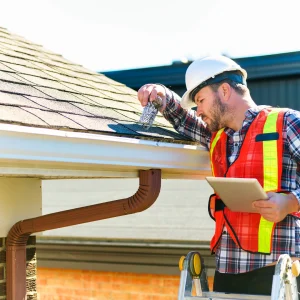
A professional roof inspection goes well beyond a quick look at your shingles from the driveway. A trained inspector examines the condition of your roofing material, checks the flashing around chimneys, vents, and skylights, looks for signs of water intrusion or pooling, and assesses the condition of your gutters, soffits, and fascia. They’ll also look for granule loss on asphalt shingles, soft spots that could signal rot or structural damage, and any areas where your roof’s protective layers may have been compromised. For most homes, the process takes anywhere from 45 minutes to a couple of hours, depending on size and complexity, and you’ll walk away with a clear picture of your roof’s condition.
Roof Inspection Timing: Urgent vs. Routine
| Sign or Situation | Inspection Priority | What It Could Mean | Recommended Action |
| Missing shingles after a storm | Urgent | Wind damage exposing underlayment | Schedule an inspection immediately |
| Water stains on ceilings or walls | Urgent | Active leak or moisture intrusion | Call for inspection and repair ASAP |
| Sagging areas on the roof | Urgent | Possible structural damage or rot | Immediate professional evaluation |
| Hail or heavy storm just passed | Urgent | Hidden impact damage (bruised shingles, flashing issues) | Book inspection right away for documentation |
| Daylight visible in attic | Urgent | Gaps or holes in roofing system | Immediate inspection needed |
| Granules collecting in gutters | Routine (soon) | Shingle wear and aging | Schedule inspection in near future |
| Curled or cracked shingles | Routine (soon) | Weathering and material breakdown | Plan inspection before damage spreads |
| Moss or algae growth | Routine | Moisture retention that can shorten roof lifespan | Schedule maintenance inspection |
| Higher energy bills | Routine | Possible ventilation or insulation issues | Have roof and attic checked |
| No visible issues, roof over a year old | Routine | Preventative maintenance | Schedule annual inspection |
| Preparing to sell your home | Routine (strategic) | Buyer scrutiny and inspection reports | Book pre-sale inspection |
The Case for Inspecting a Roof That Looks Fine
This is where a lot of homeowners get tripped up. If there are no obvious leaks or missing shingles, it’s easy to assume everything is okay. But many of the most serious roofing issues aren’t visible from the ground, or even from inside your home, until significant damage has already occurred. Damaged flashing, slow leaks, and deteriorating underlayment can all develop quietly for months before showing up as a water stain on your ceiling. By the time visible damage appears, the repair bill is usually far higher than it would have been with early detection. A roof inspection catches these issues at the source, while they’re still manageable.
Warning Signs Worth Paying Attention To
Some signs are obvious, like a shingle missing after a windstorm. Others are easier to overlook. Curled, cracked, or buckled shingles, granules collecting in your gutters, dark streaks on your ceiling, and sagging areas on your roof are all worth taking seriously. Moss or algae growth, unexplained spikes in your energy bills, and daylight visible from inside your attic are also red flags. Spotting any of these is a good reason to call for a roof inspection and repair assessment before the situation worsens.
What a Roof Inspection Can Actually Uncover
One of the most valuable things a professional inspection can do is detect small leaks before they become big ones. Water has a way of traveling along rafters and decking, showing up far from the actual entry point. Over time, even a minor leak can lead to mold growth, rotted wood, and insulation damage, all of which drive up repair costs significantly. Inspectors know where leaks are most likely to start: around flashing, at roof valleys, near skylights, and at any penetration point. Those areas get close attention, and catching a problem there early can save a homeowner thousands of dollars down the road.
If Damage Is Found
When an inspection turns up an issue, you’ll get a clear explanation of what was found and realistic options for addressing it. Depending on the scope, roof inspection and repair services may be all that’s needed to get your roof back in shape. In cases of more widespread wear or storm damage, a full replacement might be the smarter long-term move. Either way, Quantum Roofing’s team walks you through the findings in plain language, no pressure, no roofing jargon, just straight answers.
Roof Inspections and Storm Damage: Don’t Skip This Step
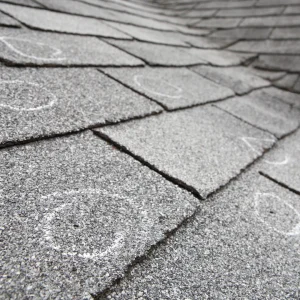
After a significant storm, getting a professional inspection should be one of your first calls. Hail, high winds, and heavy rain can cause damage that isn’t immediately obvious. Dented flashing, bruised shingles, lifted ridge caps, and debris impacts can all compromise your roof without looking dramatic from the street. Getting an inspection quickly after a storm also creates the documentation you’ll need if you plan to file a homeowners’ insurance claim. Insurers want evidence that damage was caused by the covered event and not by pre-existing wear. Having a detailed inspection report on file makes that distinction clear and puts you in a much stronger position when filing.
The Long-Term Value of Staying Proactive
A well-maintained roof lasts significantly longer than one that goes years without attention. Routine inspections are one of the most effective ways to get the most out of your roofing investment, catching minor issues early and keeping your roof performing as it was designed to, often for years longer than it otherwise would. Think of it the way you’d think about routine car maintenance. Skipping it saves a little time in the short term but leads to much bigger, more expensive problems down the road.
This logic applies directly to the home sale process, too. If you’re planning to list your home, a pre-sale inspection can be one of the smartest moves you make. Buyers and their inspectors will look closely at your roof’s condition, and unresolved issues can stall negotiations, delay closings, or kill deals entirely. A clean report, or documentation showing that issues have been addressed, builds buyer confidence and keeps your timeline on track.
Work With Local Roofing Contractors You Can Trust
Whether you’re being proactive before storm season, following up after rough weather, or simply haven’t had your roof looked at in a few years, there’s no better time to schedule an inspection. Quantum Roofing serves homeowners throughout North Carolina, South Carolina, and Tennessee, including Asheville, Greenville, Spartanburg, and dozens of surrounding communities. After your inspection, free estimates are available so you know exactly what to expect before any work begins. Contact Quantum Roofing today to get started.