

When a major storm rolls through Western North Carolina or Upstate South Carolina, your roof takes the hit so your home doesn’t have to. At Quantum Roofing, we’ve seen what high winds and hail can do to even a well-built roof, and the decisions you make in the hours and days after a storm matter more than most homeowners realize. Whether you’re dealing with missing shingles, a sudden leak, or just a nagging feeling that something isn’t right up there, this guide walks you through exactly what to do next.
How to Tell If Your Roof Has Storm Damage
Not all storm damage is obvious from the ground. Some signs are subtle and easy to miss until they turn into bigger, more expensive problems. After any significant storm, take a walk around your home and look for visible clues from ground level. Check for missing, lifted, or curled shingles. Look for granules collecting in your gutters or at the base of downspouts. Inside, check your attic for daylight, water stains, or damp insulation. These are all signals that your roof took a hit and deserves a closer look.
What Does Hail Damage Look Like on Shingles?
Hail damage is sneaky. On asphalt shingles, it typically shows up as dark, circular impact spots where granules have been knocked loose. These spots can look almost like bruises on the surface of the shingle. Over time, the exposed asphalt underneath begins to crack and deteriorate. If hail damage goes unaddressed, it can shorten the life of your roof significantly and void manufacturer warranties on materials like those from Owens Corning or DaVinci.
Can Wind Damage Cause Roof Leaks?
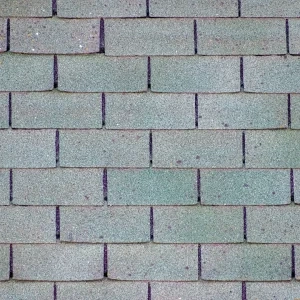
Yes, and faster than most people expect. High winds can lift shingle edges, break the adhesive seal between shingles, or tear them off entirely. Once the underlayment beneath is exposed, even a light rain can push water into your home. Wind damage also creates entry points around flashing, skylights, and vents. What starts as a minor lift can become a full-blown leak within one or two rain events.
Storm Damage Warning Signs: What to Look For and What to Do Next
| Storm Damage Sign | What It May Mean | What Homeowners Should Do |
| Missing or lifted shingles | Wind may have broken the seal or exposed the underlayment | Schedule a roof inspection quickly |
| Dark circular spots on shingles | Possible hail impact where granules were knocked loose | Get damage documented for insurance |
| Granules in gutters or downspouts | Shingles may be losing protective surface material | Have a roofer check shingle condition |
| Water stains or damp insulation | Moisture may already be entering the roof system | Treat as urgent and call for repair |
| Active leak or exposed roof area | Home is open to further water damage | Request emergency roof repair |
| Damage after high winds or hail | Problems may not be visible from the ground | Book a post-storm inspection within 24–72 hours |
Should You Call a Roofer or Your Insurance Company First?
This is one of the most common questions homeowners ask after a storm, and the honest answer is: call a roofer first. A qualified roofing contractor can document the damage thoroughly before anything changes or gets disturbed. That documentation, including photos and a professional assessment, becomes valuable evidence when you file your insurance claim. Quantum Roofing offers free inspections and has experience working alongside insurance companies throughout North Carolina, South Carolina, and Tennessee. Having a roofer in your corner from the start can make the claims process go much more smoothly.
What Is Considered Emergency Roof Repair?
Emergency roof repair typically involves any situation where your home is actively exposed to the elements. A large section of missing shingles, a hole caused by a falling tree limb, or a leak that is actively dripping into your living space all qualify. These situations require fast action to prevent water from reaching your insulation, drywall, or structural framing. Temporary fixes like tarps can help in the short term, but they are not a substitute for professional repairs.
Are Tarps a Temporary Solution for Storm Damage?
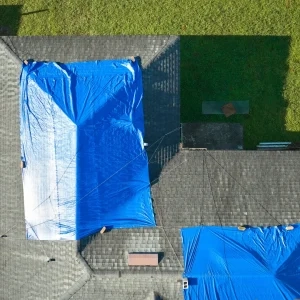
Tarps are a short-term protective measure, nothing more. They can buy you time between a storm and your scheduled repair appointment, but they are not weatherproof long-term and can shift or fail in subsequent wind or rain. If a tarp is placed on your roof, get a professional repair scheduled as quickly as possible. The longer your roof is exposed, the greater the risk of water intrusion, mold growth, and structural damage.
How Soon Should Storm Damage Be Repaired?
The short answer: as soon as possible. Roofing damage does not sit still. What begins as a few displaced shingles can escalate quickly once moisture starts working its way under the surface. Most roofing professionals recommend getting an inspection within 24 to 72 hours of a major storm event, especially if you noticed any impact or saw debris on your roof. Delaying repairs opens the door to mold growth, wood rot, and compromised structural integrity, all of which cost significantly more to fix than the original roof damage.
What Happens If You Delay Storm Damage Repairs?
Putting off repairs is one of the most common and costly mistakes homeowners make after a storm. Water that enters through damaged shingles can saturate the roof deck, seep into wall cavities, and create ideal conditions for mold. Beyond the health concerns, prolonged moisture exposure weakens the structural components of your roof system. Insurance companies may also reduce or deny claims if they determine that delayed action allowed the damage to worsen. Acting quickly protects both your home and your claim.
Can Storm Damage Lead to Mold or Structural Problems?
It absolutely can, and it happens faster than most homeowners expect. Once water penetrates your roof system, it begins working through layers of insulation and wood framing. Mold can begin forming within 24 to 48 hours in the right conditions. Left unchecked, that moisture can lead to rot in the roof decking and rafters, which transitions your repair from a shingle replacement job into a full structural project. Catching damage early is the most effective way to keep the scope and cost of repairs manageable.
How Much Does Storm Damage Roof Repair Cost?
Repair costs vary based on the extent of the damage, the roofing material, and how quickly the issue is addressed. Minor repairs involving a few shingles can be relatively affordable, while widespread hail damage or wind damage requiring partial or full replacement will cost more. The good news is that many storm damage repairs are covered in full or in part by homeowners’ insurance. Quantum Roofing works with homeowners throughout the Asheville, NC, and Greenville, SC areas to navigate insurance claims and identify financing options through Service Finance when out-of-pocket costs arise.
Do You Need an Inspection After Every Major Storm?
A post-storm inspection is always a smart move, even if you don’t see obvious damage from the ground. Many forms of storm damage, particularly hail damage, are not visible without getting up close to the surface. A professional inspection takes the guesswork out of it and gives you a clear picture of your roof’s condition. If damage is found, you have documentation. If no damage is found, you have peace of mind. Either way, a free inspection after a significant storm is one of the easiest decisions you can make as a homeowner.
How Fast Can Emergency Roof Repair Be Scheduled?
Response time matters when your roof is compromised. Quantum Roofing serves homeowners across Western NC, Upstate SC, and parts of East Tennessee, and prioritizes emergency repair requests when storm damage leaves homes exposed. Availability depends on storm volume and current scheduling, but the team moves quickly to assess and address urgent situations. Calling as soon as damage is suspected gives you the best chance of getting on the schedule fast, before post-storm demand peaks in your area.
What to Do Right Now
If you’ve just come through a storm and you’re not sure what condition your roof is in, the best move is to get a professional set of eyes on it before the next rain arrives. Quantum Roofing offers roof inspections with no pressure and no obligation. Whether you’re in Asheville, Hendersonville, Greenville, Travelers Rest, or anywhere in between, the team is ready to help you assess the damage, document it for insurance, and get your home protected again.
Call Quantum Roofing today to schedule your storm damage inspection.