

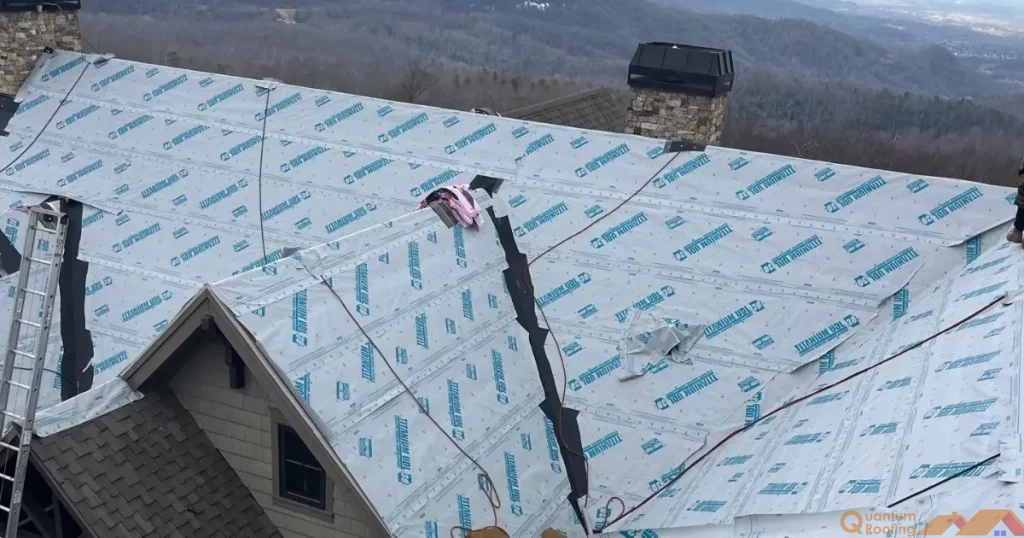
Homeowners ask the team at Quantum Roofing this question more than almost any other, usually right after they spot a soft spot on the ceiling or a shingle in the yard after a storm: Does a new roof really pay for itself, or is that just something roofing companies say to close a sale? It’s a fair question, and since a roof replacement is one of the biggest checks a homeowner ever writes, it deserves a straight answer rather than a sales pitch.
So here it is. A roof replacement is one of the few home projects that pays you back more than once. It protects the house you already love while quietly adding real dollars back at resale, since a roof touches nearly every part of the home-buying process, from the inspection report to the appraisal to the insurance quote that a buyer’s lender will require. How big that return looks depends on where you live, what the roof is made of, and how long you plan to stay, which is exactly what this guide breaks down for homeowners across North Carolina, South Carolina, and Tennessee. Whether visible wear, storm damage, or the calendar is the reason you’re considering a roof replacement, the goal here is the same: a clear, honest picture of what a new roof does for your wallet, both now and years down the road.
The Real Return on a Roof Replacement
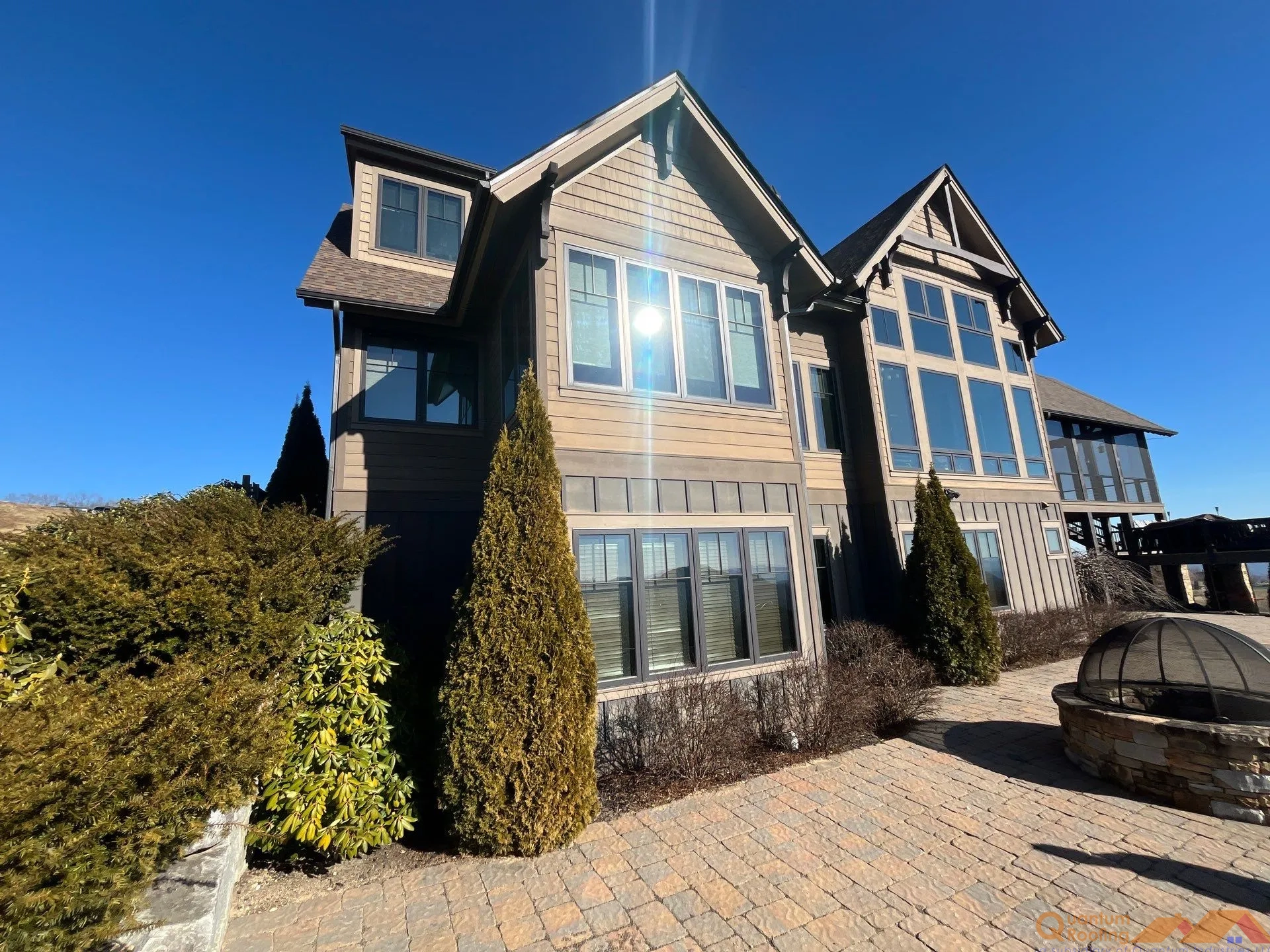
A new roof is not just about curb appeal. It is one of the rare upgrades that shows up on a home inspection report, an insurance quote, and a buyer’s offer letter all at once. Homeowners typically recover a strong share of the project cost when they sell, and buyers often treat roof age as a dealbreaker or a bargaining chip. That means the return is not only about resale value. It is also about avoiding a lower offer or a longer time on the market because a roof looks tired.
Think about it from the buyer’s side for a moment. Most people shopping for a home are already straining their budget to cover the down payment and closing costs. A roof that needs work soon after move-in is one more expense they have to plan around, and that shows up in the offer they are willing to write. A roof that is clearly new removes that worry entirely, which tends to work in the seller’s favor at the negotiating table.
Roof replacement consistently ranks among the top home improvements for return on investment, often recovering a large portion of its cost when the home sells. The exact percentage shifts with the local market and material choice, but the pattern holds across the region. An estimate from one of the local roofing companies can give you a clearer sense of where your specific home lands, since lot size, roof pitch, and existing damage all factor into the final number.
Material choice moves that number too, though not by as much as most homeowners expect. Architectural shingles tend to offer the best balance of cost and payback for most homes. Metal roofing costs more upfront but tends to hold its value well and appeals to buyers who plan to stay long term. Synthetic materials, like synthetic slate or synthetic tile, can boost curb appeal in a way that helps a home stand out, though they may take longer to fully recoup at resale. Wood shake shingles and 3-tab composition shingles remain popular for budget-conscious homeowners, though buyers in this region increasingly ask about impact resistance given how often storms roll through.
It is also worth separating a full replacement from a smaller repair, since the two do not earn the same return. A full roof replacement resets the clock, giving buyers a roof with a fresh warranty and years of life left, which tends to earn a stronger return. A repair can extend a roof’s life and is often the smarter move for a smaller issue, but it does not carry the same resale weight as a full replacement. If your roof has multiple problem spots or is nearing the end of its expected life span, a series of repairs can end up costing nearly as much as a replacement without giving you the same payback when you sell.
Why Location Changes the Equation
ROI is not a one-size-fits-all number. Buyers in the Carolinas and Tennessee tend to ask pointed questions about roof age and condition before writing an offer, partly because storms are a regular part of life here. That local awareness raises the value of a roof that is clearly new and built to hold up. A homeowner in a milder climate might see roof condition come up late in negotiations, but here it often shapes the offer from the very first showing.
In markets like Asheville, Greenville, and the surrounding areas, roof condition often comes up before price does. A newer roof gives buyers one less reason to hesitate or request an inspection contingency, which can help a sale move faster and closer to the asking price. Agents in these markets frequently mention roof age in listing descriptions for exactly this reason, since it answers a question buyers are already planning to ask.
Storm history plays into this as well. The Carolinas and Tennessee see their fair share of hail and wind events. A roof built with impact-resistant shingles or standing seam metal signals to future buyers that the home is ready for the next storm season, not just the last one. That reputation for durability tends to matter more here than in regions that see fewer severe storms. Homes with a documented history of storm damage that was properly repaired, rather than patched or ignored, also tend to hold buyer confidence better than homes with an unclear repair history.
The Savings You Feel Every Month
Resale is only part of the payback. A new roof also affects what you spend every month you live in the home, and it can affect whether the home sells at all. These benefits often go unnoticed until a homeowner sits down and compares a year of bills before and after a replacement.
Older roofs often let heat and cold slip through, driving up energy bills. A new roof with proper ventilation and updated materials tends to run more efficiently, and it typically needs fewer repair calls than a roof nearing the end of its life. Those smaller, ongoing savings add up over the years you own the home. A well-ventilated attic paired with a new roof can also help your HVAC system run less often, which extends its life and cuts down on a separate set of repair bills down the road.
Insurance is another piece worth checking. Some providers offer better rates for homes with newer roofs or impact-resistant materials, since those roofs are less likely to generate storm damage claims. It is worth asking your provider directly, since discounts vary by company and by roof type. Homeowners who file an insurance roof replacement claim after storm damage often find this is a good moment to ask about updated coverage, since the new roof may qualify for a different rating altogether.
There is also a cost that is harder to put a number on. A worn roof can scare off buyers entirely or complicate financing, since many lenders require a roof in good condition before approving a mortgage. A new roof removes that obstacle and keeps more buyers interested from the start, which matters just as much as the price a home eventually sells for.
Deciding When and How to Replace
Once you understand the return, the next question is timing. Most asphalt shingle roofs last between fifteen and twenty-five years, depending on the material and how well the roof was maintained. If your roof is approaching that range, showing granule loss, or already has a history of leaks, replacing it now often makes more financial sense than patching it repeatedly.
Homeowners planning to sell often ask whether it makes more sense to replace the roof before listing or to let a buyer negotiate a credit instead. Replacing before you list usually puts you in control of the material, the contractor, and the price. Waiting for a buyer to negotiate a credit often costs more in the end, since buyers tend to ask for more than the actual repair cost to cover their own inconvenience and risk.
Timing matters for homeowners who plan to stay, too, not just those preparing to sell. For homeowners who stay put for several years, the monthly savings on energy and maintenance combine with the resale bump to make the payback period shorter than most people expect. Even homeowners planning to sell within a year or two often recover a strong share of the cost at closing.
Financing changes when you pay, not what you get back. It spreads the cost over time rather than requiring a lump sum, which means you get the resale and efficiency benefits right away instead of waiting to save up. As long as the monthly payment fits your budget, financing does not eat into the return. It simply changes the schedule.
Get Your Numbers
Every roof and every home is different, so the best way to know your real return is to get a firsthand look. Ready to see what a new roof could do for your home’s value? Quantum Roofing offers flexible financing through Service Finance, so you can start the project without waiting to save up. Reach out today to get your free estimate.