

Picture this: your neighbors are scheduling their third roof replacement while you’re still on your first. That’s the kind of long game standing seam metal roofing plays. At Quantum Roofing, we’ve watched homeowners across Western North Carolina and Upstate South Carolina make this upgrade and never look back. Standing seam isn’t just a roofing material. It’s a decision that impacts your home’s curb appeal, energy bills, resale value, and how many times you want to deal with a roofing contractor over the next five decades. So before you sign anything or settle for the familiar, let’s walk through what makes this system worth a serious look, how it compares to traditional options, and whether it belongs on your home.
What You Need to Know About a Standing Seam Metal Roof
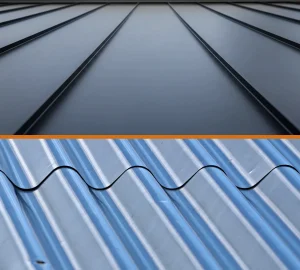
Standing seam metal roofing is built from vertical metal panels that run from the peak of your roof all the way down to the eaves. Each panel connects to the next through a raised, interlocking seam that sits above the flat panel surface. That raised seam is the key to the whole system. It keeps fasteners hidden from view and, more importantly, hidden from direct exposure to rain, wind, and UV rays. There are no exposed screws punching through the surface of the panel waiting to let moisture in over time. The design is clean, the lines are sharp, and the protection is built into the structure itself rather than bolted on top of it. Standing seam is used across residential homes, commercial buildings, and everything in between, partly because of how it performs and partly because of how it looks.
The panels themselves are typically made from steel or aluminum, with factory-applied coatings that protect against corrosion, fading, and chalking. The concealed fastener design isn’t just about aesthetics. It also allows panels to float slightly as temperatures rise and fall, which is a real-world concern in climates that swing between cold winters and warm summers. That thermal movement can stress roofing materials over time, and standing seam is engineered specifically to handle it without compromising the seal between panels.
Standing Seam vs. Corrugated Metal: Not the Same Thing
A lot of homeowners lump all metal roofing into one category, but standing seam and corrugated metal are built and perform quite differently. Corrugated metal panels have a wavy profile and use exposed fasteners that penetrate the panel surface. Those fastener points can become trouble spots over time as washers wear down and moisture finds its way in. Standing seam eliminates that problem entirely with concealed clips allowing the panels to expand and contract with temperature swings without stressing the attachment points.
Corrugated metal has its place. It’s a cost-effective option for outbuildings, agricultural structures, and projects where budget is the driving priority. But if you’re comparing it to standing seam for a primary residence or a commercial property where performance and longevity matter, the two systems aren’t really competing on equal footing. Standing seam is engineered for decades of service with minimal intervention. Corrugated metal is a solid workhorse, but it requires more attention to fasteners and seals over its lifespan. If you’re serious about a metal roof as a long-term investment rather than a budget fix, standing seam is the more refined system of the two.
Lifespan: Where Standing Seam Really Earns Its Keep
Most standing seam metal roofs last between 40 and 70 years when installed correctly and given basic maintenance attention. That kind of lifespan changes the math on what “expensive” actually means. A standard asphalt shingle roof typically needs replacement every 20 to 30 years, which means a homeowner staying in their house for 50 years could be looking at two or three full roof replacements before a standing seam system would even be approaching the end of its life.
In the Asheville area and across the Western North Carolina mountains, weather can bring heavy rain, wind, and hail across any given season. That variability puts roofing systems through their paces in ways that flat-weather climates simply don’t. Standing seam holds up exceptionally well in these conditions because the concealed fastener design reduces the number of potential entry points for water, and the metal panels themselves resist the cracking, curling, and granule loss that shortens the life of asphalt shingles in harsh climates. Choosing a roof that’s built to last in your specific environment isn’t just smart. It’s the kind of decision that pays off every single year it stays over your head without issue.
Standing Seam vs. Shingles: A Side-by-Side Look
| Feature | Standing Seam Metal | Asphalt Shingles |
| Lifespan | 40-70 Years | 20-30 Years |
| Upfront Cost | Higher | Lower |
| Long-Term Value | Strong | Moderate |
| Maintenance | Low | Moderate |
| Weather Resistance | Excellent | Good |
| Energy Efficiency | High (reflective) | Moderate |
| Curb Appeal | Modern/Distinctive | Traditional |
| Insurance Discounts | Often Eligible | Sometimes Eligible |
| Weight | Lightweight | Heavier |
| Recyclability | Fully recyclable | Limited |
Is Standing Seam Metal Roofing Actually Better Than Shingles?
Asphalt shingles win on upfront cost, and that matters. But standing seam wins on nearly everything else. Metal roofs shed snow and water efficiently, hold up well against high winds, and carry a fire resistance rating that shingles simply can’t match. They reflect solar heat, which can reduce cooling costs during warm months, and they don’t absorb moisture or support algae growth the way organic materials can.
There’s also a maintenance conversation worth having. Asphalt shingle roofs require periodic attention: replacing cracked or missing shingles, clearing granule buildup from gutters, and watching for soft spots that signal moisture damage underneath. Standing seam metal roofing demands far less of your time and budget between installations. Beyond routine inspections, there’s typically very little to address year to year. For homeowners who’d rather not think about their roof until it’s time to sell the house or hand the keys to the next generation, that kind of low-maintenance performance has real appeal.
Shingles still make sense in certain situations. For homeowners on tighter budgets, those planning to sell within the next five to ten years, or those replacing a portion of a roof to match existing material, asphalt remains a practical choice. The point isn’t that shingles are a bad roof. It’s that standing seam is a different category of investment, and understanding the distinction helps you make the right call for your home and your timeline.
What a Metal Roof Does for Your Home’s Value
A standing seam metal roof doesn’t just protect your home. It adds to it. Metal roofing is recognized in real estate as a premium upgrade, and buyers understand what they’re looking at. A metal roof means they’re unlikely to budget for a roof replacement anytime soon after purchase, and that kind of certainty carries weight in a competitive market. Research from the Metal Roofing Alliance points to meaningful resale value returns on metal roof installations. Beyond the numbers, the signal a metal roof sends about the quality of a home can shape how buyers perceive the entire property from the moment they pull into the driveway.
It’s also worth thinking about what a roof replacement during the selling process would cost you. Buyers who spot an aging asphalt roof often negotiate for a credit or a price reduction. A standing seam metal roof with decades of life remaining removes that negotiating chip entirely. You’re not just adding value in the abstract. You’re protecting the sale price you’ve worked toward by eliminating one of the most common objections buyers raise during inspection.
The Cost Conversation: What to Expect in North Carolina
Standing seam metal roofing typically runs between $10 and $17 per square foot installed in North Carolina. For a mid-sized residential roof, that often lands somewhere between $18,000 and $35,000, depending on roof size, pitch, and panel specifications. Commercial projects vary further based on scope, square footage, and system complexity. That number can give people pause, and fairly so. But spread across a 40 to 70 year lifespan versus the cost of two or three shingle replacements over the same period, the investment starts to look different. Factor in potential energy savings from a reflective metal surface and reduced maintenance costs, and the long-term picture shifts further in metal’s favor. A roof is one of the few home investments where paying more upfront can genuinely cost you less over time.
It also helps to think about what you’re not paying for. Every year your standing seam roof performs without issue is a year you’re not calling a contractor, not patching shingles, not worrying about whether last night’s storm opened up a weak spot. That peace of mind has value that doesn’t show up on a spreadsheet but shows up in your life.
Insurance Discounts and What to Ask Your Provider
Many homeowners’ insurance providers offer discounts for metal roofs because of their resistance to wind, fire, and impact damage. Depending on your policy and provider, an impact-resistant metal roofing system may qualify you for meaningful annual savings on your premium. Those savings won’t erase the upfront cost difference, but over years and decades, they take a real bite out of it. Before you finalize your decision, a conversation with your insurance agent is worth scheduling. The right questions can reveal savings opportunities and policy gaps that most homeowners never think to ask about until after they’ve already filed a claim.
When you call your agent, start with the discount conversation. Ask specifically whether your insurer offers a discount for impact-resistant roofing and what classification your standing seam system needs to qualify. Many carriers recognize ratings like Class 4 impact resistance, and a metal roof that meets that threshold can translate to a percentage reduction on your annual premium. Ask how the discount is applied, whether it requires documentation from your roofing contractor, and whether it needs to be renewed or verified at policy renewal time.
Then shift the conversation to something most homeowners don’t think to ask until it’s too late: cosmetic damage exclusions. Hail that dents a metal roof without penetrating it or compromising the waterproofing integrity of the panels is considered cosmetic damage by many insurers. That means your roof is still doing its job, keeping water out and protecting your home, but it may have visible dings or dimpling from a significant hailstorm. Some policies include a cosmetic damage exclusion for metal roofing, which means your insurer would not cover a replacement based on appearance alone if the roof is still functionally sound.
Ask your agent directly whether your policy includes a cosmetic damage exclusion for metal roofing. If it does, ask what documentation would be required to demonstrate that damage is functional rather than cosmetic, and whether you have any options to remove that exclusion from your policy. Some homeowners choose to accept the exclusion in exchange for lower premiums, reasoning that a dented roof that still performs is better than an asphalt roof that needs replacement every 25 years. Others prefer the coverage. Either way, knowing what your policy says before a hailstorm rolls through is far better than finding out after one has already.
Financing Options Through Quantum Roofing
The upfront cost of a standing seam metal roof doesn’t have to stop you from moving forward. Quantum Roofing offers financing through our partner Service Finance, giving homeowners a practical path to a premium roofing system without draining savings or waiting for the perfect financial moment. Whether you’re replacing a storm-damaged roof or making a planned upgrade, flexible financing makes the decision easier to act on. Spreading payments over time while your new roof starts delivering energy savings and eliminating future replacement costs is a strategy that makes the investment more manageable without compromising on what you’re getting.
What to Expect from the Installation Process
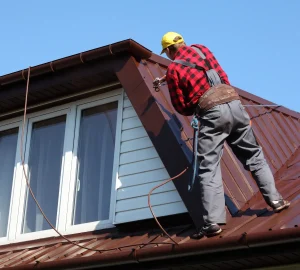
Standing seam metal roofing requires skilled installation to perform the way it’s designed to. Proper panel alignment, accurate seam formation, and correct flashing at penetrations and edges are all critical to the long-term performance of the system. Cutting corners during installation can undermine even the best materials, which is why choosing an experienced roofing contractor matters as much as choosing the right product.
At Quantum Roofing, our team has hands-on experience with standing seam systems across a range of residential and commercial projects in our service area. We work with quality manufacturers to make sure the materials going on your roof are built for the conditions in your region. Before any installation begins, we conduct a thorough roof inspection to assess the decking, ventilation, and any existing issues that need to be addressed. A standing seam metal roof installed over a compromised deck or with inadequate ventilation won’t deliver the lifespan it’s capable of, and we’re not interested in shortcuts that come back to haunt you or us.
Let’s Talk About Your Roof
Standing seam metal roofing isn’t the right fit for every budget or every timeline, but for homeowners thinking long-term, it’s one of the strongest investments you can make in your home. The durability, the low maintenance demands, the energy efficiency, the curb appeal, and the resale value all point in the same direction. And when you factor in financing options and potential insurance savings, the path to getting there is more accessible than many homeowners expect. Quantum Roofing serves homeowners and commercial property owners across Western North Carolina, Upstate South Carolina, and parts of Tennessee, and we offer free roof inspections to help you make an informed decision without any pressure. Visit quantumroofingcompany.com to schedule yours, and let’s figure out the best path forward for your home together.