


Quantum Roofing hears this question almost every week: “So what does my warranty actually cover?” It’s a fair question, because roof warranties are famous for sounding generous on the surface and getting complicated the moment you actually need them. Between manufacturer paperwork, contractor promises, and fine print about labor and materials, it’s easy to sign a contract without knowing what you’re really protected against. This guide breaks down the two main types of coverage, what can knock your warranty out entirely, and the questions worth asking before any shingles come off your roof. Think of it as the plain-language version of a document most people never read until something goes wrong.
Manufacturer Warranty vs. Workmanship Warranty
Every roof replacement comes with two separate warranties, and mixing them up is where most confusion starts. A manufacturer’s warranty covers defects in the shingles, metal panels, or underlayment itself. A workmanship warranty covers the installation, meaning how the crew actually puts those materials on your roof. You need both working together, because a flawless product installed poorly will still leak. Brands like Owens Corning® explain this distinction well, since manufacturer terms vary quite a bit from one product line to another.
What a Manufacturer Warranty Covers
This warranty follows the product, not the installer. If shingles crack, granules shed early, or a metal panel fails from a manufacturing flaw, the manufacturer is on the hook to replace the material. Owens Corning and EDCO® both back their products this way, though coverage details differ by material type and warranty tier.
What a Workmanship Warranty Covers
This one comes from the roofing contractor, not the factory. It covers mistakes made during installation, like a poorly sealed flashing or a nail pattern that doesn’t hold up. A workmanship warranty is only as good as the company standing behind it, which is why choosing an established contractor matters as much as choosing a good shingle.
Does a Roof Warranty Cover Storm Damage?
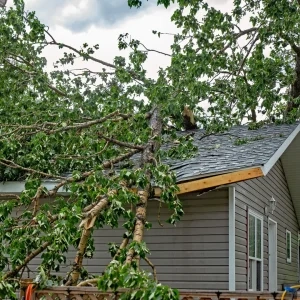
Generally, no. Manufacturer and workmanship warranties are built around defects, not events. Hail, high wind, and falling branches are considered acts of nature, and those claims typically go through your homeowners’ insurance policy instead. That said, some manufacturer warranties do include limited wind-resistance coverage up to a certain speed rating, so it’s worth checking the specific terms for your material. Quantum Roofing offers storm damage inspections that can help document the cause of damage, which makes the insurance side of the process a lot less painful.
How Long Do Standing Seam Metal Roof Warranties Last?
Standing seam metal roofs tend to carry some of the longest warranty terms in the industry, often 30 to 50 years on the panels themselves, with separate and usually shorter coverage on the paint finish. Metal roofing holds up well against fading, chalking, and corrosion, which is part of why manufacturers are comfortable backing it for decades. EDCO takes this further with its steel roof shingles, backed by a lifetime, non-prorated warranty covering both the product and the labor to repair or replace it, plus a separate 35-year guarantee against color fading. Workmanship warranties on metal installations still tend to run shorter, so pair the panel warranty with a clear workmanship term from your roofing contractors before signing anything.
What Can Void Your Roof Warranty
A warranty is a contract, and contracts have conditions. A few common ways homeowners accidentally void coverage:
- Skipping required manufacturer registration after installation
- Using an uncertified or unlicensed installer for a system that requires certification
- Making unauthorized repairs or modifications, including satellite dish or solar mounts
- Ignoring routine maintenance, like clearing debris or fixing minor issues promptly
- Poor attic ventilation that traps heat and moisture against the underside of the roof
Reading the actual warranty document, not just the sales pitch, is the only way to know exactly what applies to your situation.
Do Premium Roofing Systems Come with Better Warranty Coverage?
Often, yes. Premium roofing systems, like impact-resistant shingles, standing seam metal, or synthetic slate and shake, typically come with longer terms and broader defect coverage than basic 3-tab shingles. Manufacturers also reward certified installers with enhanced warranty options that regular contractors can’t offer. DaVinci®, for example, backs its synthetic products with detailed warranty documentation that spells out exactly what’s included at each coverage tier. Paying more upfront for a premium system often means a stronger safety net if something eventually goes wrong.
What Your Warranty Actually Pays For
Two details decide how much a warranty is actually worth in a real claim: whether coverage shrinks over time, and whether labor is included.
Prorated vs. Full Coverage
A prorated warranty reduces the payout as your roof ages, so a defect at year twenty might only get you a fraction of replacement cost. Full coverage, sometimes called non-prorated, pays the full repair or replacement cost regardless of the roof’s age, at least during the stated term. Full coverage is worth more, and it’s worth asking directly which type applies to your quote.
Labor or Materials Only
Plenty of standard manufacturer warranties cover materials, but not the labor to remove and reinstall them, which can be the more expensive part of a repair. Enhanced or certified installer warranties frequently add labor coverage for a defined period. Always ask whether labor is included and for how long, since this detail alone can be the difference between a minor inconvenience and an expensive surprise.
Will Your Warranty Transfer If You Sell?
Many manufacturer warranties are transferable to a new homeowner, usually within a limited window after the original installation and often for a small transfer fee. This can be a genuine selling point, since buyers appreciate a roof backed by real coverage instead of guesswork. Owens Corning outlines the process for transferable warranties on its site, including deadlines and paperwork requirements. Workmanship warranties are less consistent about transferring, so confirm the terms with your contractor if a future sale is anywhere on your radar.
How to Tell If a Workmanship Warranty Actually Means Something
Anyone can print “lifetime workmanship warranty” on a flyer. What matters is whether the company backing it will still be around, and whether it holds any manufacturer certifications that require proper training and inspection. Ask how long the company has been in business, ask for references from past customers, and ask what happens step by step if a covered issue shows up. A workmanship warranty is only as strong as the business standing behind it, so a little research goes a long way here.
What Should You Confirm Before Signing?
Before signing a roof replacement contract, get clear, written answers to these:
Getting these answers in writing before work begins saves a lot of frustration later.
Warranty paperwork shouldn’t be the part of a roof replacement that keeps you up at night. Quantum Roofing installs premium roofing systems, including standing seam metal, as a certified contractor, so the material warranty and the workmanship warranty actually line up instead of leaving gaps between them. Get a free inspection and a plain-language walkthrough of exactly what your coverage would include before a single shingle comes off. Contact Quantum Roofing today to schedule yours.